What a price tag is really telling you
A shelf label looks like a simple slip of paper. In practice it is a small data panel, and learning to read it changes how you compare products.
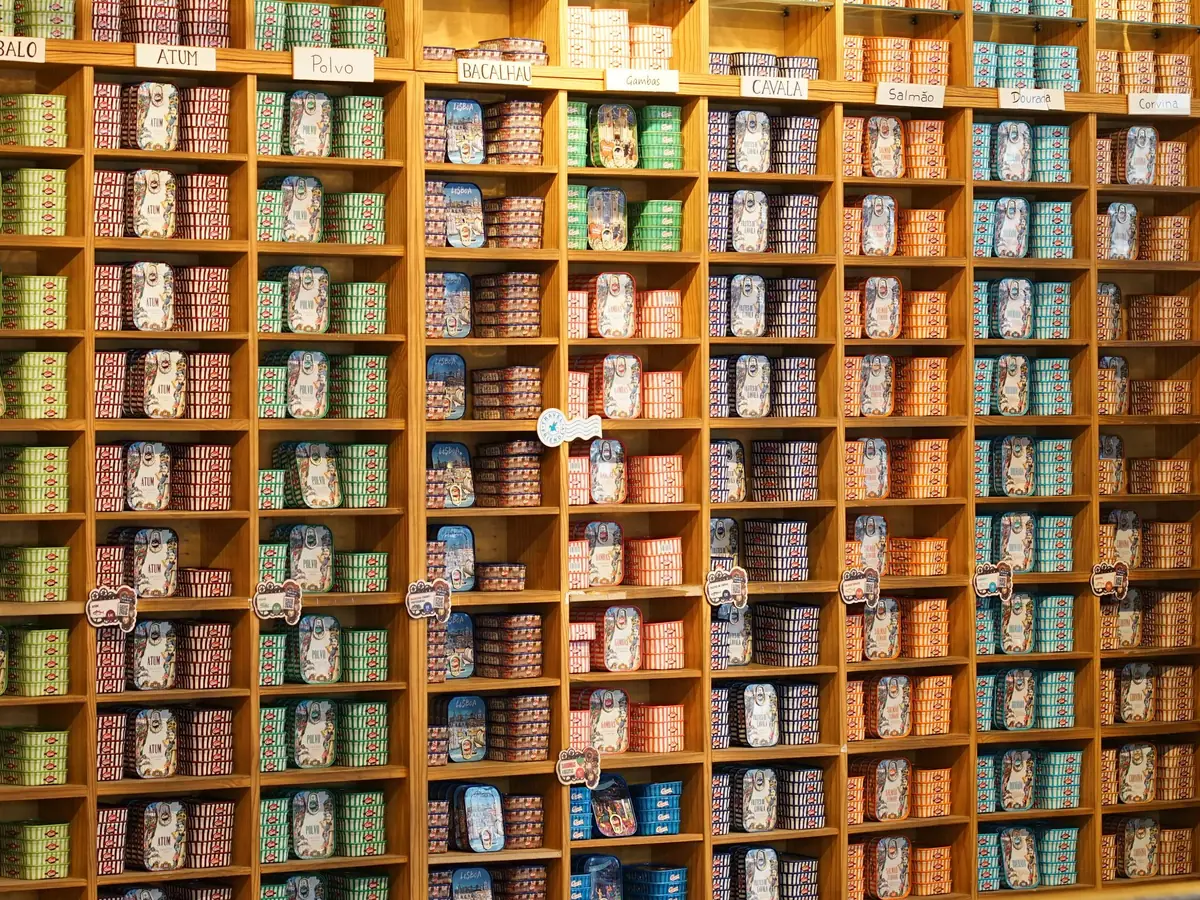
Every well-made price tag carries more than one number. Next to the retail price there is usually a unit price — the cost per kilogram, litre or piece. This second figure is the honest one, because package sizes differ across brands and the sticker price alone hides that difference. Two jars of the same sauce can sit side by side, one cheaper at the till and noticeably more expensive per hundred grams.
The tag also marks the product's legal name, its weight or volume, and often the country of origin for fresh categories. When a price changes, many retailers print the previous price or the date of the change beside the new one. Reading those small lines tells you whether a discount is a genuine drop or a return to an earlier level. For a wider picture of how the shelf itself steers attention, see our guide to the quiet logic of the supermarket shelf.
How unit pricing works in practice
Unit price is calculated by dividing the selling price by the quantity in the package. A 750-gram pack and a 1.2-kilogram pack of the same cereal can then be compared directly, gram against gram. In most stores the unit is printed smaller, in the corner of the label — it is worth slowing down for those three seconds at the shelf.
What to check first
- The unit of measure: kilograms, litres, pieces — they must match before you compare.
- The quantity: multipacks sometimes list the total weight, sometimes per item.
- The validity date of the price, when the tag shows one.
None of this requires special tools. It is a habit: glance at the unit price before the sticker price, and the comparison does itself.
How discount cycles are built
Promotions rarely appear at random. Most grocery categories move in repeating cycles, and the pattern is visible on the tag itself.
A typical cycle has three phases. First, the product sits at its regular shelf price. Then a promotion window opens — a percentage off, a two-for-one deal, or a temporary club-card price. Finally the window closes and the price returns to its usual level, sometimes overnight. Regular shoppers begin to recognise the rhythm of the categories they buy weekly.
Promotional labels are designed to catch the eye: brighter paper, larger digits, a banner across the corner. That design language is part of how retail demand patterns are managed — a discount moves volume quickly, clears stock before a date, or answers a competitor's move.
Reading a promo tag calmly
A few questions help separate a real saving from theatre. Is the unit price lower than the regular one, or only the sticker price? Does the deal require buying more than you planned? Is the discount applied at the till or only with a loyalty card? The answers are printed on the label or the shelf edge, in plain sight once you know to look.
Multi-buy offers deserve one extra check: the math only works if you would have bought the second item anyway. Otherwise the deal has increased the basket rather than reduced it.
Price changes and what they signal
Prices on staple goods move for ordinary, visible reasons: seasonal supply, packaging changes, renegotiated supplier terms. When a whole category shifts at once — every brand of oil, every flour — that usually points to an upstream cause rather than store strategy. Single-product changes are more often local decisions about shelf space or range.
Watching how tags change over a few weeks turns a routine shop into a small observation exercise. If a question comes up that our articles do not answer, you can write to the Gefuzae team — we read every message and answer in turn.