Seasonal waves in the shopping basket
Why the same supermarket looks completely different in June, October and late December — and what that says about the people who shop there.
The shelf follows the harvest
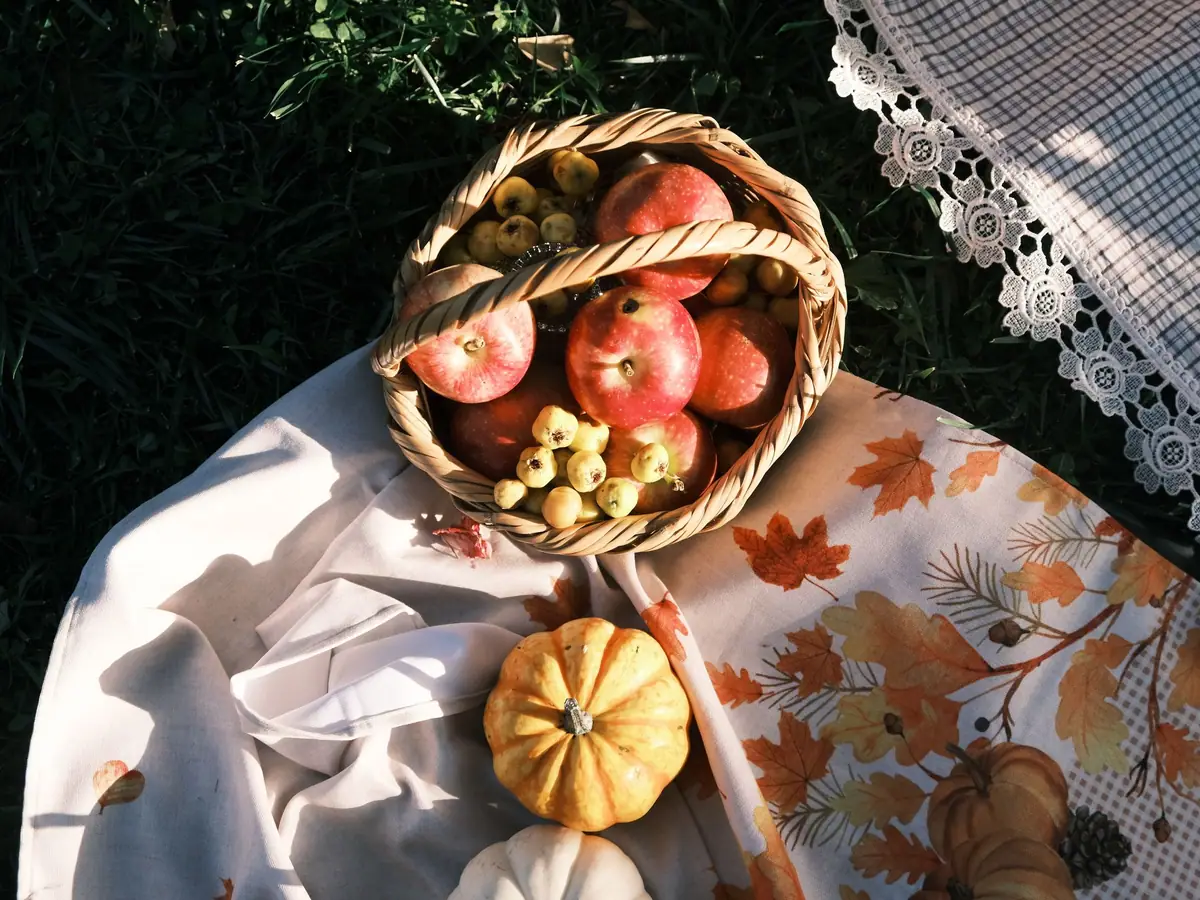
A supermarket produce section is a calendar you can read with your hands. Strawberries arrive in late spring and stay only weeks; pumpkins stack up through autumn and disappear before the first frost of demand fades. Each wave of fruit and vegetables reshapes the aisle before most shoppers notice it happening.
For anyone studying consumer demand, this rhythm matters because it is one of the few predictable patterns in grocery retail. Shoppers do not plan to buy a pumpkin in October — the shelf suggests it, the display reinforces it, and the basket confirms it. The same cycle repeats with asparagus in spring, stone fruit in summer and root vegetables in winter.
Prices move with the same rhythm. When a crop peaks, supply widens and the price per kilo drops, which in turn pushes volume up. Reading those small seasonal swings is a good first exercise for understanding how a price tag communicates more than a number.
Holiday tables create the biggest waves
Twice a year, ordinary shopping lists turn into project plans. Before Christmas and around Easter, baskets grow heavier, richer and far more planned: flour, butter, dried fruit, fresh bread rolls, and ingredients people buy once a season and never think about again in between.
These festive waves are different from harvest waves because they are driven by dates, not by crops. Everyone needs the same things at the same time, which compresses an enormous amount of demand into a few days. Shelves empty in patterns, popular items move to pallet displays, and the whole store quietly reorganises itself around a single meal.
Weather adds a third layer on top. A cold snap lifts soups, teas and warm bread; a warm week in March pulls salad, drinks and light snacks forward months early. When weather and a holiday point in the same direction, demand for a handful of products can double within days — without a single promotion.
If you enjoy following these shifts, our overview of grocery retail trends collects the recurring patterns in one place, and our fair play page explains how we handle sources and corrections.