The quiet logic of the supermarket shelf
Shelves are not arranged by accident. Every level, every gap and every neighbour on the rack follows a plan that quietly steers what ends up in your basket.
In this guide we walk through the parts of shelf logic you can check yourself on your next shopping trip — from the golden zone at eye level to the way aisles pull you through the store.
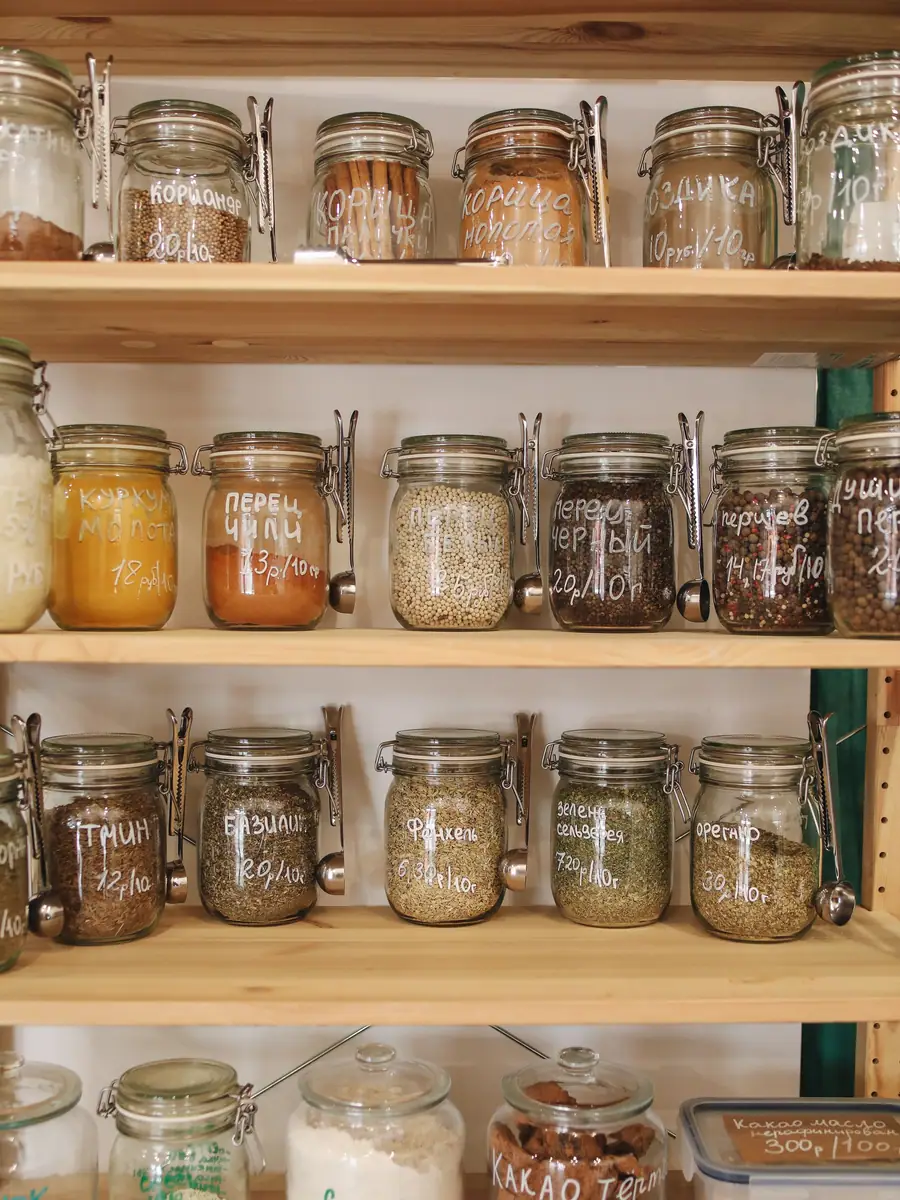
Eye level and the golden shelf
The strip of shelving between roughly 120 and 160 centimetres from the floor is the part of the rack your eyes reach first. In trade talk it is often called the golden shelf, and it is where stores place the products they most want to move — usually strong brands or higher-margin lines.
Everything above and below that strip plays a supporting role. The top shelves tend to hold lighter boxes, premium or niche items, and things a shopper is expected to look for deliberately. The bottom shelves carry bulk packs, heavy bottles and value lines, because bending down is a small effort most people only make for a reason.
How to read a rack in seconds
Stand in front of any shelf and scan it in three bands: top, middle, bottom. The middle band shows you what the store expects the average shopper to grab. The edges of that band, where your gaze starts and ends, are prime positions that suppliers pay attention to.
Grouping matters just as much as height. Products are clustered so that the eye can compare options without moving — one block of similar items, priced in a visible ladder from cheapest to most expensive. When the ladder is broken or the order feels random, that is usually a shelf in transition, not a mistake you can bargain with.
If you enjoy comparing prices at this level of detail, the companion piece on what a price tag really tells you picks up exactly where the shelf ends.
Why facings matter
A facing is one visible block of a single product. The number of facings a product gets reflects how fast the store expects it to sell. Two or three facings side by side create the impression of a normal, well-stocked line; a single facing squeezed between rivals signals a product on its way in or out.
Shoppers read these cues without noticing. A wide, neat block of identical boxes feels safe and familiar, which is why stores keep refilling it even when the variety does not change.
The route the store draws for you
Aisle order and shelf logic work together: the layout decides which racks you pass, and the racks decide where you stop.
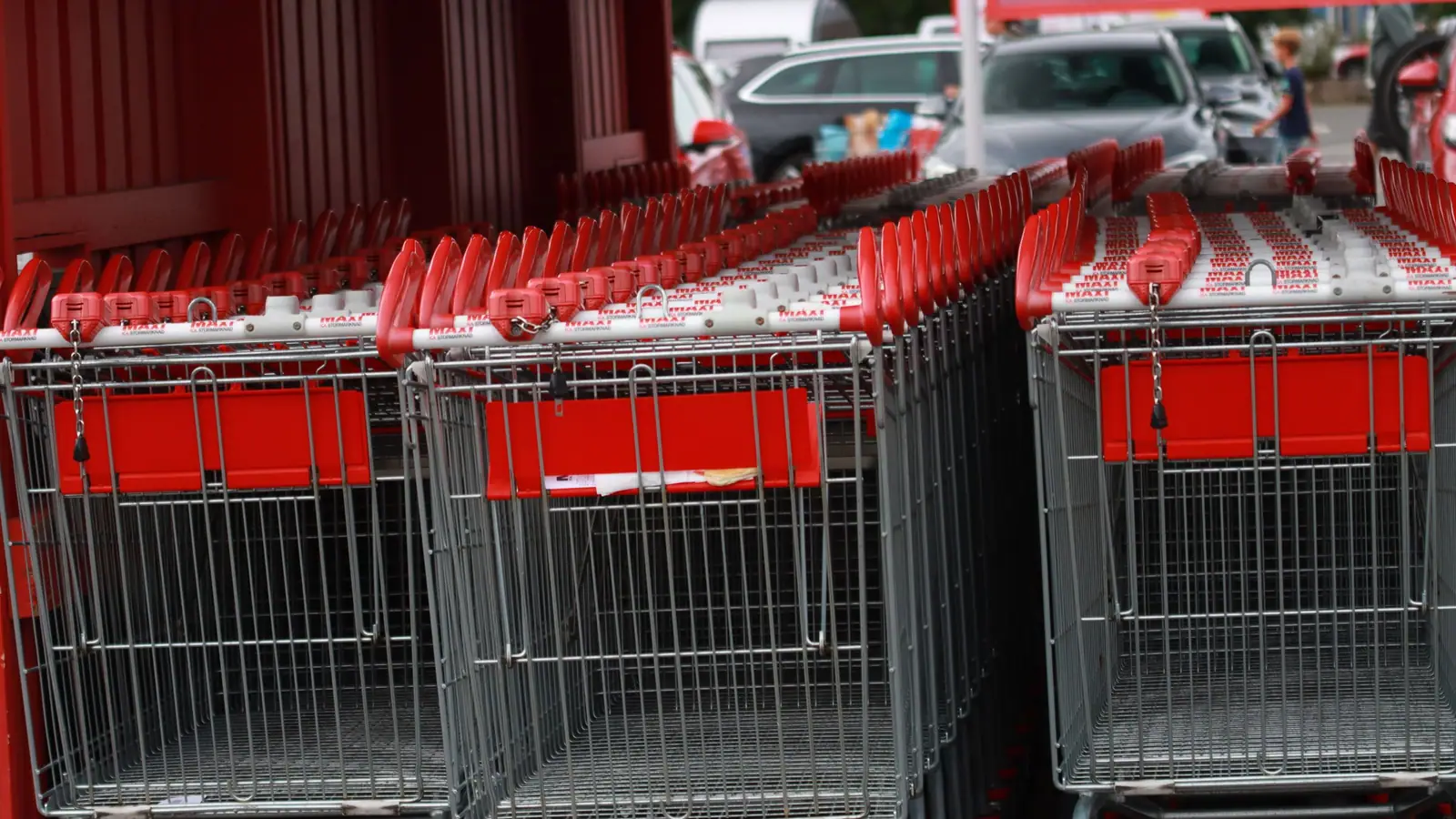
How shoppers actually move
Most store layouts guide traffic along a predictable loop: entrance, fresh departments on the perimeter, packaged goods in the middle aisles, checkout at the exit. The perimeter carries the colour, smell and movement that pull you in; the centre holds the dense, quiet racks where the golden shelf does its work.
Aisles are sequenced so that related needs sit near each other. Pasta near sauces, coffee near biscuits, cleaning products near paper goods. The sequence reads like a shopping list written by the store, and every extra aisle you walk past is another chance for a planned detour to become an unplanned purchase.
The endcap bargain
The short shelves at the ends of aisles — endcaps — get some of the heaviest footfall in the store. They are restocked and redesigned constantly, and they frame whatever sits on them as timely. Treat them as displays, not verdicts: a product on an endcap is not automatically the best value in the aisle behind it.
Demand also moves with the calendar, and shelf space follows. To see how the layout shifts through the year, read our piece on seasonal waves in the shopping basket.
Read the shelf before it reads you
Shelf logic is not a trick to fear — it is a language. Once you know the golden shelf, the facing blocks and the loop of the aisles, a supermarket becomes far easier to navigate on your own terms.
We collect these observations for readers across Poland and beyond. If something on a shelf puzzles you, write to us — good questions often become the next article. Start from the overview of grocery shelf signals or see how we handle your data when you get in touch.